
Custom Embroidery Patches For Apparel Branding
Develop embroidery patches that work on real garments, not only in a mockup. SKYWARD helps apparel and streetwear teams review artwork, backing, placement, sampling, and bulk production details before patches move into the clothing line.
Build the patch around the garment.
A good patch has to match the artwork, the fabric, the sewing position, and the way the garment will be worn. A thick badge on a light jersey, a heat backing on a washed hoodie, or a tiny logo with too many thread colors can create problems after sampling. This page focuses on the decisions that keep custom embroidery patches for apparel clear, durable, and ready for production.
This service helps teams turn a logo, badge, sleeve mark, chest patch, collector label, or capsule trim from artwork into a sample-ready spec. We review patch size, thread direction, edge finish, backing method, and placement so the result can be approved with less guessing.
Best fit for apparel teams that need:
- Logo patches, woven-looking badges, graphic trims, or limited capsule details.
- Clear guidance before sampling, especially when artwork needs digitizing or simplification.
- Backing and sewing decisions prepared for real garment application.
- Reference options that help compare patch types before sampling.
What to confirm before sampling.
Sampling is faster when the important choices are made early. These checks reduce rework and make the quotation more useful.
Artwork and size
Vector art is preferred, but we can review high-resolution artwork when needed. Fine lines, small text, and heavy color gradients may need to be simplified so the stitch result stays readable.
Thread and texture
Flat embroidery, raised areas, color blocking, and border thickness all affect the finished look. We check whether the design needs a clean badge effect or a more textured trim detail.
Backing method
Sew-on, iron-on, hook and loop, adhesive, and other backing options serve different garments. The right backing depends on fabric weight, wash plan, and production handling.
Placement and sewing
Chest, sleeve, hood, pocket, hem, and accessory positions each need different tolerances. We look at seam distance, fabric stretch, and how the patch will sit after wear.
From artwork to bulk-ready trims.
The workflow is kept simple: confirm the role of the patch, test the sample, then lock the details that matter for repeated production.
Brief review
We review the artwork, target garment, quantity range, and intended placement before choosing the patch direction.
Digitizing check
Stitch direction, thread color, edge finish, and density are checked so the design can translate into embroidery.
Sample approval
The sample is compared with artwork, size, handfeel, backing, and garment use before moving forward.
Bulk control
Approved standards guide color, border, backing, trimming, packing, and any garment application notes.
Handoff
Final details are prepared for garment production, accessory packing, or direct shipment with the apparel order.
Patch references for apparel trim planning.
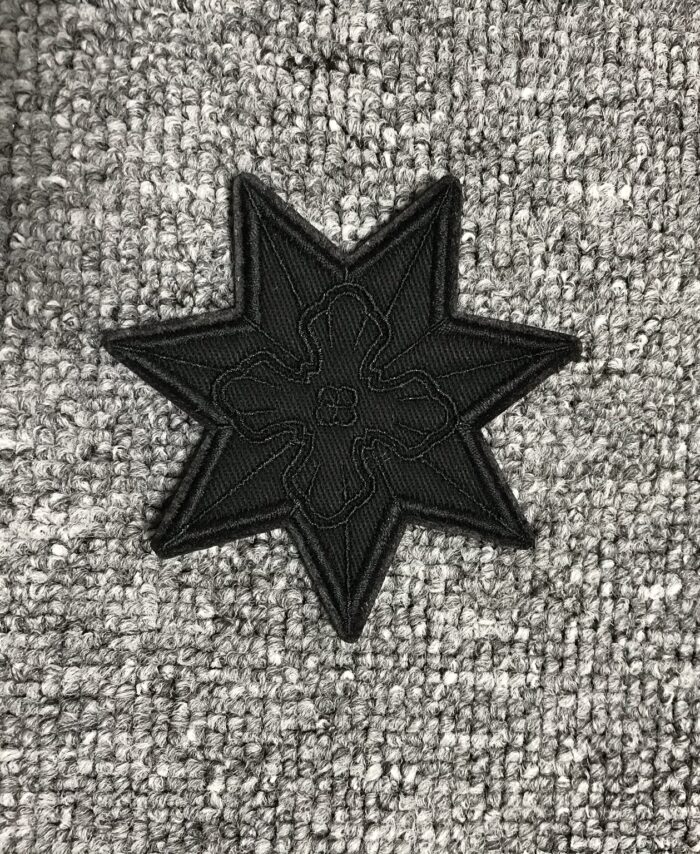
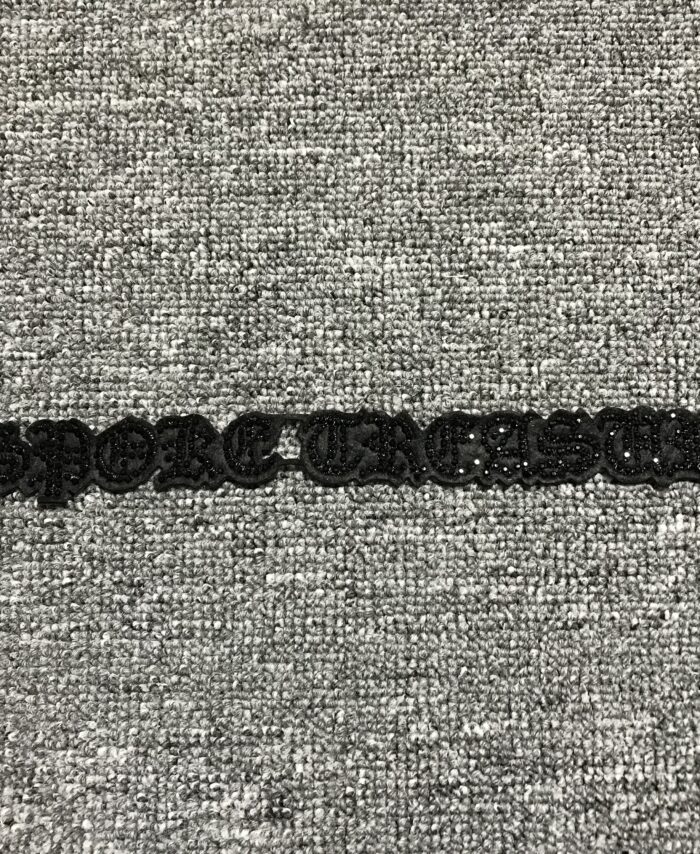
These patch references help teams compare shape, stitch density, border style, color contrast, and garment mood before choosing a sample direction.
 01Rose patch
 02Star patch
 03Graphic patch



Ready to develop patches for your next apparel line?
Send the artwork and garment direction. We will help check whether the patch should be adjusted before sampling, which backing makes sense, and what details should be locked before bulk production. For apparel programs, we also review edge finish, stitch density, placement tolerance, and wash handling so the patch can be approved clearly and repeated across reorder runs.