
A reliable streetwear supplier partnership is not decided by price alone. Brands need development support, communication rhythm, production clarity, and long-term fit before supplier cost can be judged properly.
Why pricing alone doesn’t define a reliable production relationship
As streetwear brands continue to grow and evolve, pricing remains a constant consideration. It’s natural, every business has to think about margins, market positioning, and how to stay competitive in an increasingly fast-moving landscape. Many brands, especially in transitional stages, eventually reach a point where cost becomes the central focus of production strategy. Quotes are compared, suppliers are evaluated, and decisions are made with price per unit in mind.
Yet over time, many brand owners come to realize that the most sustainable partnerships aren’t built on cost alone. What often separates short-term execution from long-term value is not the number on a quote sheet, but the strength of collaboration, the clarity of communication, and the consistency of support throughout the production journey.
Read our full Quotation Preparation Checklist
The hidden impact of supplier transitions in streetwear production
In the real world of streetwear production, it’s not uncommon for brands to explore lower-cost supplier options as they grow or restructure. A shift in retail goals, a new pricing tier, or changing internal targets can all prompt brands to re-evaluate their manufacturing partnerships.
From a business standpoint, this makes perfect sense. But what’s often less visible at first glance is the cost of change, the impact that comes when continuity is broken and internal systems must adapt to unfamiliar workflows.
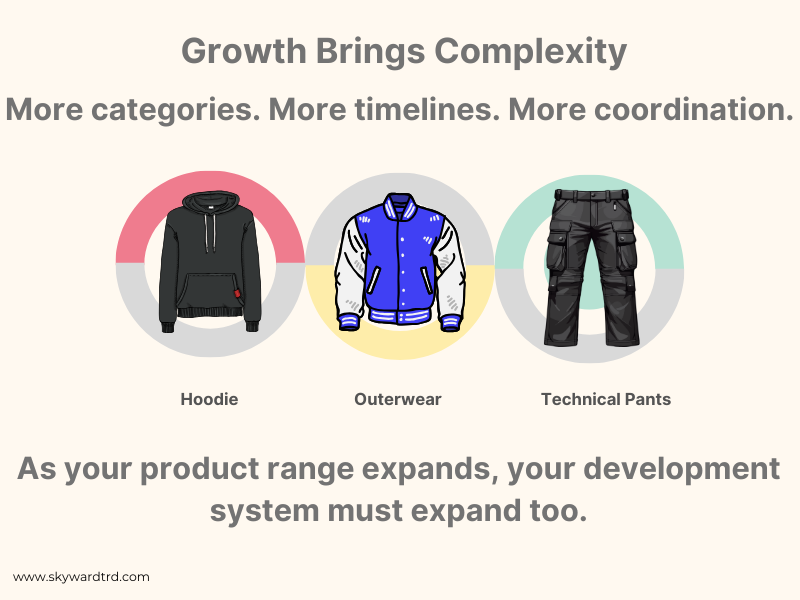
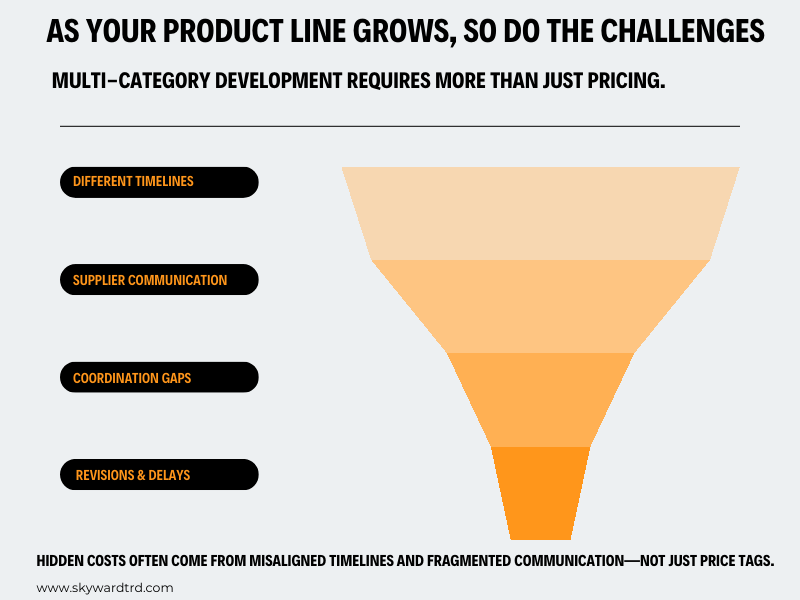
Streetwear brands typically work across a variety of product categories, each with its own development requirements, timelines, and material needs. When each category is assigned to a different vendor purely based on cost, things often become more fragmented. Communication becomes disjointed, timelines misalign, and design consistency starts to slip, not because of lack of effort, but simply because the system is no longer integrated.
And while these issues may not show up directly on a spreadsheet, they do show up in delays, confusion, and eventually, customer experience. In a space where streetwear brands thrive on storytelling, visual identity, and product detail, even the smallest production inconsistency can break trust with loyal audiences.
A collaborative supplier is a growth partner, not just a cost line
What we’ve observed through years of supporting independent and scaling streetwear brands is that production success is deeply connected to supplier collaboration. A supplier who understands your design language, anticipates production challenges, and supports your development process, across seasons, categories, and evolving strategies, brings far more value than just meeting a target price.
Discover our Development Process for Streetwear Brands
These types of relationships reduce miscommunication, shorten lead times, and help streamline development across collections. They also minimize the need for constant onboarding and hand-holding, because the supplier already knows what makes your product feel right.
This kind of long-term alignment becomes even more essential as your brand grows into more technical or high-touch categories like outerwear, knitwear, or layered constructions. The ability to scale up without sacrificing quality or brand identity depends largely on how deeply your production partner is invested in your success, not just your numbers.
Rethinking what value means in a fast-moving streetwear industry
There is, of course, no denying that price matters. But the question that more streetwear brands are beginning to ask is: What does value really look like when we think long-term?
Is it the lowest unit price? Or is it the ability to deliver better, faster, and with fewer errors, season after season?
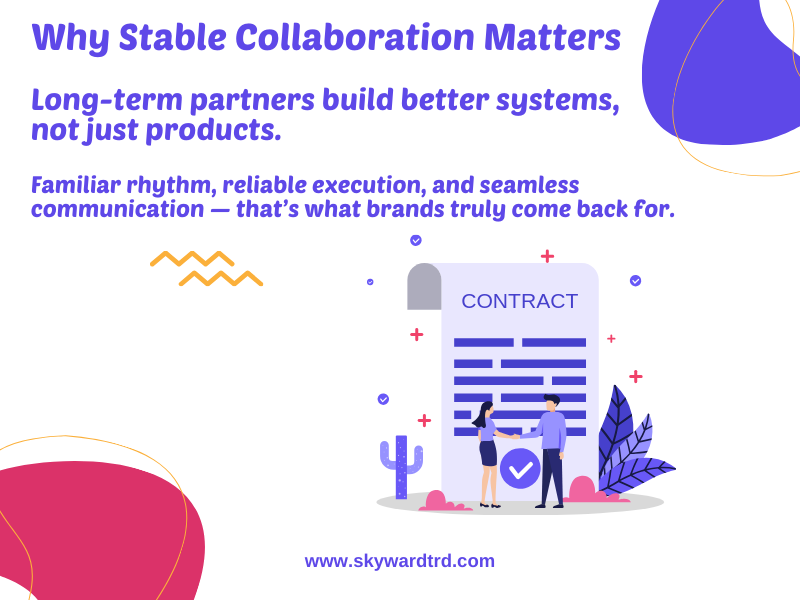
We’ve seen some streetwear brands take a detour, exploring new sourcing models or switching to lower-cost suppliers, only to eventually return to their original production partners.
Not because of pricing, but because they missed the familiar rhythm of collaboration, the reliability in execution, and the ease of communication that made the entire process feel effortless.
The most resilient streetwear brands tend to be the ones that treat production not just as a transaction, but as an extension of their creative and operational ecosystem. They see supplier partnerships as investments in consistency, agility, and shared accountability.
Let’s talk about building something more sustainable together
If your brand is currently navigating new directions, whether it’s expanding categories, optimizing costs, or restructuring your supply strategy, this may be the right moment to reassess what kind of production support you truly need.
Because in a world where speed, design precision, and customer experience all matter more than ever, your production partner plays a bigger role than most spreadsheets can capture.
We’re here to collaborate with streetwear brands who are looking not just for a better quote, but for a better system, a relationship built on trust, clarity, and shared ambition.
Let’s build not just products, but momentum, together.
Partnering with a trusted custom streetwear manufacturer ensures your production is consistent, reliable, and aligned with your brand growth.